
Acne Awareness Month
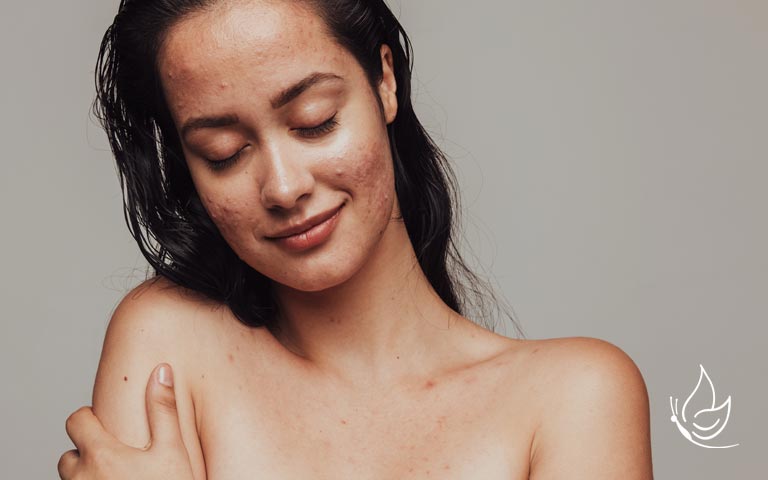
Understanding, Treating, and Preventing Acne
June is Acne Awareness Month, a time dedicated to educating and supporting those affected by this common skin condition. Whether you’re a teenager dealing with your first breakout or an adult struggling with persistent acne, understanding this condition is the first step toward managing it effectively.
What is Acne?
Acne is a skin condition that occurs when hair follicles become clogged with oil and dead skin cells. The combination of oil and skin cells enables bacteria that typically reside on the skin to thrive in the clogged follicles, leading to inflammation characterized by swelling, redness, heat, and pain. When the wall of the clogged follicle ruptures, it releases bacteria, skin cells, and sebum into the surrounding skin, resulting in whiteheads, blackheads, or pimples that can appear on the face, forehead, chest, upper back, and shoulders.
Acne is most common among teenagers and young adults, though acne affects people of all ages and races.
The Causes of Acne
Acne is primarily driven by:
- Hormonal Changes: Androgens, hormones that increase in both boys and girls during puberty, cause the sebaceous glands to enlarge and produce more sebum. Hormonal changes related to pregnancy and the use of oral contraceptives can also affect sebum production.
- Diet: Studies suggest that certain dietary factors, including dairy products and carbohydrate-rich foods, may trigger acne.
- Stress: Stress can exacerbate acne by causing the body to release more hormones that stimulate oil glands.
- Genetics: Family history plays a role. If your parents had acne, you might be more likely to develop it.
Types of Acne
Understanding the types of acne can help in selecting the right treatment:
- Whiteheads: Closed clogged pores
- Blackheads: Open clogged pores
- Papules: Small red, tender bumps
- Pustules: Pimples with pus at their tips
- Nodules: Large, solid, painful lumps beneath the surface of the skin
- Cysts: Painful, pus-filled lumps beneath the surface of the skin
Effective Acne Treatments
There are various treatments available depending on the severity of the acne:
- Topical Treatments: Over-the-counter options like benzoyl peroxide, salicylic acid, and retinoids can help clear pores and reduce inflammation.
- Oral Medications: For more severe cases, dermatologists may prescribe antibiotics, birth control pills, or isotretinoin.
- Lifestyle Changes: Regular cleansing, using non-comedogenic products, and avoiding excessive touching of the face can help manage acne.
- Professional Procedures: In-office treatments such as chemical peels, light therapy, and drainage and extraction can provide relief for stubborn cases.
Preventing Acne
While you can’t completely prevent acne, certain habits can minimize breakouts:
- Maintain a Skincare Routine: Cleanse your face twice daily with a gentle cleanser, use a non-comedogenic moisturizer, and apply sunscreen daily.
- Watch Your Diet: Limit foods that trigger breakouts, like sugary snacks and dairy, and focus on a balanced diet rich in fruits, vegetables, and whole grains.
- Manage Stress: Practice stress-reducing activities such as yoga, meditation, or regular exercise.
- Stay Hydrated: Drinking plenty of water helps to keep your skin hydrated and flush out toxins.
Myths About Acne
Dispelling common myths is crucial for effective management:
Myth 1 – Only Teenagers Get Acne: Acne can affect people of all ages, including adults.
Myth 2 – Tanning Clears Up Acne: While tanning can temporarily mask acne, it often worsens the condition in the long run.
Myth 3 – Poor Hygiene Causes Acne: Acne isn’t caused by dirty skin. In fact, over-washing can irritate the skin and exacerbate acne.
How Can Rejuvent Skincare Help Your Acne
Our Skin Experts can offer personalized advice, and consultation to Rejuvent Skincare patients and provide tailored recommendations based on your skin type and condition.
If you can visit our Rejuvent Medical Spa in Scottsdale Arizona, we have several skin treatments to address Post Inflammatory Hyperpigmentation (PIH) and acne scars, as well as treatments to improve and minimize inflammation. These include Sylfirm X RF Microneedling, HALO Laser, Moxi Laser, BBL BroadBand Light, and eMatrix Fractional Resurfacing.
Bestselling Products for Acne
-
Jan Marini Clean Zyme Cleanser $38.00

Login = Sale
-
Marini SkinSolutions Clean Zyme Cleanser $63.00
Login = Sale
-
Revision Skincare Gentle Foaming Cleanser $50.00
Login = Sale
-
SkinCeuticals LHA Cleanser Gel $45.00
Login = Sale
-
SkinCeuticals Purifying Cleanser Gel with Glycolic Acid $39.00
Login = Sale
-
SkinCeuticals Simply Clean Cleanser $39.00
Login = Sale
-
SkinMedica AHA/BHA Exfoliating Cleanser $48.00
Login = Sale
-
SkinMedica Pore Purifying Gel Cleanser Original price was: $48.00.$31.20Current price is: $31.20.
Login = Sale
Clearance




-
Jan Marini Age Intervention Duality $115.00
Login = Sale
-
Jan Marini Age Intervention Duality MD (10% Benzoyl Peroxide) $120.00
Login = Sale
-
Jan Marini Benzoyl Peroxide Acne Treatment Lotion 10% $59.00
Login = Sale
-
Jan Marini Bioclear Face Cream (Full Size or Travel Size) Price range: $40.00 through $98.00
Login = Sale
-
Marini SkinSolutions 2.5% Benzoyl Peroxide Acne Treatment Wash $53.00
Login = Sale
-
Marini SkinSolutions Benzoyl Peroxide Acne Treatment Lotion 5% $37.00
Login = Sale
-
Marini SkinSolutions Duality XC - Anti-Aging + Acne Treating (10% Benzoyl Peroxide) $125.00
Login = Sale
-
SkinMedica Acne Clarifying Treatment $88.00
Login = Sale
-
ZO Skin Health Complex A+ $98.00
Login = Sale
-
ZO Skin Health Retinol + Acne Complex Original price was: $143.00.$92.95Current price is: $92.95.
+ Gift!
Login = Sale
Clearance


-
Alastin Renewal Retinol $74.00
Login = Sale
-
IMAX 0.025% Tretinoin
RX Product
33% off
+ Gift!
$48.00$32.16 -
IMAX 0.1% Tretinoin
RX Product
33% off
+ Gift!
$48.00$32.16 -
IMAX 0.05% Tretinoin
RX Product
33% off
+ Gift!
$48.00$32.16 -
Jan Marini Age Intervention Retinol Plus MD $110.00
Login = Sale
-
Jan Marini Luminate Face Lotion MD $125.00
Login = Sale
-
Jan Marini Luminate Face Lotion $120.00
Login = Sale
-
Marini SkinSolutions Luminate XC Retinol Cream $130.00
Login = Sale
-
Revision Skincare Retinol Complete Price range: $114.00 through $134.00
Login = Sale
-
SkinMedica Retinol Complex Price range: $80.00 through $96.00
Login = Sale
-
ZO Skin Health Retinol Skin Brightener Price range: $117.00 through $153.00
Login = Sale
-
ZO Skin Health Complex A+ $98.00
Login = Sale
-
ZO Skin Health Radical Night Repair $194.00
Login = Sale
-
ZO Skin Health Retinol + Acne Complex Original price was: $143.00.$92.95Current price is: $92.95.
+ Gift!
Login = Sale
Clearance -
ZO Skin Health Wrinkle and Texture Repair $168.00
Login = Sale


-
Alastin Skincare ReSURFACE Skin Polish $70.00
Login = Sale
-
Jan Marini Multi-Acid Exfoliating Pads $100.00
Login = Sale
-
Marini SkinSolutions ResurFace Exfoliating Peel Pads $103.00
Login = Sale
-
SkinCeuticals Micro-Exfoliating Scrub $40.00
Login = Sale
-
ZO Skin Health Complexion Renewal Pads $63.00
Login = Sale
-
ZO Skin Health Dual Action Scrub $80.00
Login = Sale
-
ZO Skin Health Oil Control Pads Acne Treatment $75.00
Login = Sale


-
Jan Marini Retinol Plus Mask Original price was: $100.00.$65.00Current price is: $65.00.
Login = Sale
-
Marini Skin Night Zyme Overnight Skin Resurfacing Mask $115.00
Login = Sale
-
Jan Marini Skin Zyme Mask with Green Papaya Enzyme $87.00
Login = Sale
-
Revision Skincare Pore Purifying Clay Mask Price range: $36.40 through $48.75
Login = Sale
Clearance -
Revision Skincare Pumpkin Enzyme Mask $54.00
Login = Sale
-
Revision Skincare Triple-Action Exfoliator Price range: $75.00 through $160.00
Login = Sale
-
SkinCeuticals Clarifying Clay Masque Original price was: $70.00.$45.50Current price is: $45.50.
Login = Sale
Clearance -
ZO Skin Health Complexion Clearing Masque $51.00
Login = Sale


